Wedding bouquet budgets: what couples pay across the UK
Posted on 06/06/2026
Wedding flowers have a funny habit of looking effortless right up until you start pricing them. One minute you're picturing a neat hand-tied bridal bouquet and a few matching buttonholes; the next, you're comparing stem counts, seasonality, delivery windows, and whether you really need peonies in October. This guide on Wedding bouquet budgets: what couples pay across the UK breaks the numbers down in a clear, practical way so you can plan with confidence rather than guesswork.
Prices vary across the UK for a few sensible reasons: local labour costs, flower season, venue distance, design complexity, and whether you want something simple and elegant or lush and statement-making. You'll also find that different couples prioritise different things. Some want the bouquet to be the hero shot. Others would rather keep the flowers modest and put the money into the table plan or the honeymoon. Fair enough, really.
Below, you'll find a realistic budgeting framework, common price brackets, what drives cost up or down, and how to avoid the classic overspend. There's also a comparison table, a checklist, and a few examples to help you translate "dream bouquet" into a working budget that actually fits your wedding day.
Why Wedding bouquet budgets: what couples pay across the UK Matters
A bridal bouquet looks small on a wedding spreadsheet, but it can have a surprisingly big impact on the overall feel of the day. It appears in photos all day long, sets the colour story, and often influences the style of the bridesmaid bouquets, buttonholes, and table flowers. In other words, it's not just a bunch of flowers. It's part of the visual identity of the wedding.
Budgeting matters because wedding flowers are one of those categories where the final cost can drift if you don't pin things down early. A couple might begin with a modest idea, then add scented garden roses, trailing ivy, multiple bouquet changes, and a delivery run across town. Before long, the quote feels very different. Not wrong, just bigger than expected.
Across the UK, couples also notice that florist pricing can vary by region. A bouquet in central London may not be priced the same way as one in a smaller town, and that's usually down to overheads, labour, travel, and venue logistics. The flower itself may be the same rose or lily, but the time and handling behind it can change the bill.
It also matters for planning harmony. When the bouquet budget is set early, it becomes easier to decide where to spend and where to simplify. That can mean choosing seasonal stems, using fewer bouquet styles, or balancing one premium bridal bouquet with simpler bridesmaid bouquets and buttonholes.
How Wedding bouquet budgets: what couples pay across the UK Works
Wedding bouquet pricing usually starts with three things: the flowers themselves, the time needed to design them, and the logistics involved in getting them to the right place in the right condition. That sounds obvious, but it helps to think of it as a simple recipe. A small bouquet with seasonal flowers and no delivery stress will generally sit at the lower end. A large, hand-built bouquet with premium stems and careful on-the-day delivery will sit higher.
As a broad working guide, many couples budget in bands rather than chasing a single perfect number. For example, a simpler bridal bouquet might fall into a lower budget bracket, while a fuller, premium bouquet with matching wedding flowers could move into a higher one. If you're planning a full floral set-up, the bouquet is just one piece of the puzzle, and it often needs to work alongside table arrangements, ceremony pieces, and wedding gifts.
The flowers you choose matter a lot. Seasonal stems usually give better value because they're easier to source in quantity and tend to travel better. Classic roses, carnations, chrysanthemums, germini, alstroemeria, lilies, and mixed seasonal flowers can all create beautiful results at different price points. If you want something romantic but more controlled in cost, a white or mixed bouquet is often easier to keep within budget than a very rare stem combination.
Timing matters too. A bouquet needed on a summer Saturday morning in a busy city can cost more to produce and deliver than a bouquet collected midweek. Delivery windows, setup schedules, and whether the florist has to coordinate with a hotel, church, registry office, or country house all affect the final quote. It's the kind of thing couples only notice once they've booked a few suppliers. Then it clicks.
You'll also want to think about design style. A compact posy bouquet is generally less expensive than a cascading bouquet because it uses fewer stems and less build time. A loose hand-tied bouquet may sit somewhere in the middle. That's why asking for style first, then flower preference, often makes the conversation easier for everyone.
Typical spending ranges couples work with
Every florist prices differently, so the figures below are best treated as planning ranges rather than fixed rules. Still, they're useful for setting expectations.
- Simple bridal bouquet: usually the lowest-cost option for couples keeping things modest.
- Mid-range bouquet: a fuller hand-tied design with better stems, usually the sweet spot for many weddings.
- Premium bouquet: larger, more intricate, or made with higher-cost stems and extra design time.
- Complete floral set: bridal bouquet, bridesmaid bouquets, buttonholes, and ceremony flowers, all working together.
To be fair, most couples are not really asking "How much does a bouquet cost?" They're asking "How do I get the look I want without derailing the rest of the budget?" That's the right question.
Key Benefits and Practical Advantages
Budgeting your bouquet properly does more than protect your wallet. It gives you creative control. Once you know your ceiling, you can make thoughtful decisions about colour, flower type, size, and quantity instead of making rushed choices in the last week before the wedding.
Here's what good bouquet budgeting gives you:
- Better prioritisation: you can spend more on the bouquet if it's a key photo feature, or save money if another detail matters more.
- Cleaner supplier conversations: florists can quote more accurately when they know your target spend.
- Less stress: no one enjoys surprise add-ons when the final invoice arrives.
- Smarter flower choices: seasonal and locally suitable blooms often deliver the best value.
- More consistent styling: your bouquet can complement the rest of your florals rather than fighting them.
A well-planned bouquet budget also helps with emotional balance. Weddings can become tiny decision marathons, and flowers are one of the places where couples either feel calm or feel mildly overwhelmed. If the numbers are clear, the rest tends to feel a bit more manageable. Not perfect, just more manageable.
Many couples also discover that a modest bouquet doesn't look modest in photos if it's well designed. A simple arrangement in the right shape and colour palette can look far more polished than an oversized arrangement with too many competing stems. Design beats size more often than people expect.
Who This Is For and When It Makes Sense
This guide is for couples at almost any stage of wedding planning, but it's especially useful if you're still deciding how much of your floral budget to commit to the bouquet. If you're early in the process, it helps you set a realistic ceiling. If you're already collecting quotes, it helps you compare like for like. And if you've had a few quotes that all look wildly different, it helps you understand why.
It makes sense for:
- couples planning a UK wedding on a fixed budget
- brides or grooms who want a bouquet-led look in the photos
- pairs comparing a DIY approach with a florist-made design
- couples wanting to match bridal flowers with bridesmaids and buttonholes
- anyone trying to keep floral spend sensible without losing style
It also makes sense if you're planning a micro-wedding, registry office ceremony, or second celebration with a smaller floral footprint. In those cases, the bouquet may be one of the few visible floral elements, so it deserves a bit more thought than "just whatever's left in the budget."
For couples who want coordination across the day, looking at complete sets such as a bridal bouquet collection or matching wedding corsages can make budgeting easier because the style is planned as a package rather than item by item.
Step-by-Step Guidance
If you want to stay in control of bouquet spending, the simplest method is to work backwards from the overall wedding floral budget. Don't start with "What's the prettiest bouquet?" Start with "What can we spend comfortably, and what matters most?" That tiny shift saves a lot of headaches.
- Set your floral ceiling. Decide the maximum you want to spend on all flowers, then reserve a realistic slice for the bridal bouquet.
- Choose your bouquet priority. Is this the standout floral moment, or a supporting detail? Be honest here.
- Pick a design style. Compact, hand-tied, meadow, or cascading? Style affects both labour and materials.
- Choose stem categories. Seasonal value flowers, classic roses, premium blooms, or a mix.
- Decide on size. Small, medium, or full. Size is one of the fastest ways to control cost.
- Plan the supporting flowers. Bridesmaids, buttonholes, and table flowers should all work together.
- Check delivery and setup. Ask whether transport, timing, and on-site styling are included.
- Get a written quote. Make sure it lists stem choices, size, colour palette, and any extras.
One practical trick: ask for two versions of the same bouquet, a "wish list" version and a "budget-safe" version. That way you can compare the effect of premium stems against more economical alternatives without starting from scratch. It's boring in the best possible way.
If you're trying to hold the line on spend, look at bouquets built from dependable stems such as roses, alstroemeria, or carnations. They can deliver a polished wedding look while giving more room in the budget for other details.
Expert Tips for Better Results
Here are the kinds of things that usually make the biggest difference in the real world, not just on a mood board.
- Choose in-season flowers whenever possible. They're often fresher, easier to source, and more budget-friendly.
- Let the bouquet carry the luxury. If you love a premium look, put the detail into the bridal bouquet and keep the supporting flowers simpler.
- Use colour strategically. White, pink, red, purple, yellow, or mixed palettes each create a different mood. A tight palette often looks more expensive than a noisy one.
- Think about the dress fabric. Satin, lace, tulle, and silk all behave differently beside certain flower shapes. It sounds fussy, but it matters in photos.
- Keep the bouquet size aligned with the outfit. A petite bride can be visually overwhelmed by a huge bouquet; a more dramatic dress may handle it beautifully.
- Be careful with "just one more thing." It's usually that extra ribbon, extra rose, or extra delivery stop that nudges the quote upward.
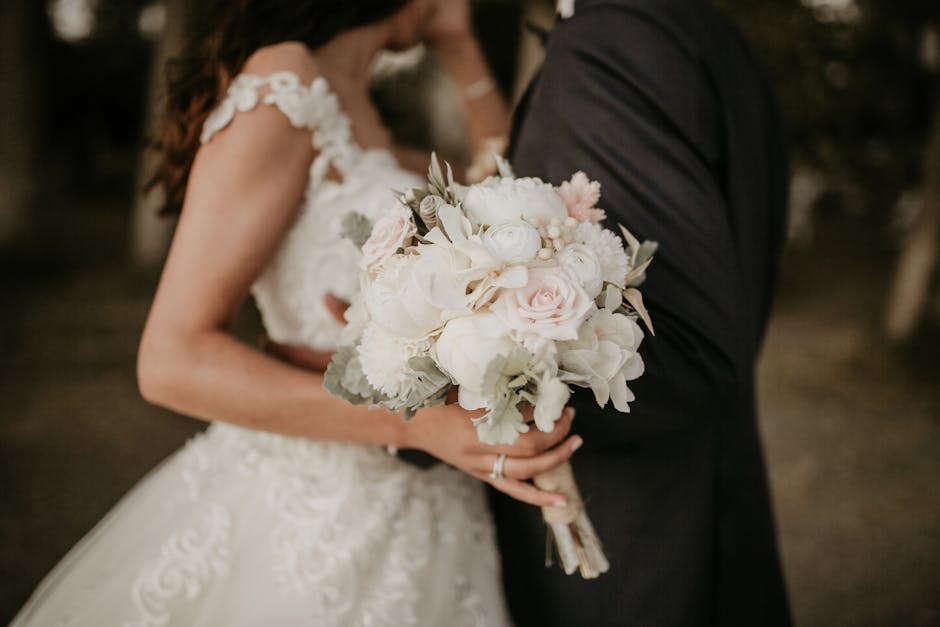
If you want a softer or more romantic finish, a palette built around pink flowers, white flowers, or mixed colours often feels wedding-ready without being overcomplicated. A lot of the nicest bouquets are actually quite restrained. Little secret, that.
Another useful idea: ask your florist where they would simplify first if you needed to shave 10-15% off the price. A good florist will usually know exactly which adjustment saves money with the least visual impact.
Common Mistakes to Avoid
Most bouquet budget issues come from assumptions rather than bad decisions. Couples aren't usually being careless; they're just dealing with a hundred wedding details at once. Still, there are a few common traps worth avoiding.
- Only budgeting for the bouquet itself. Supporting flowers, ribbon, delivery, and setup can change the final figure.
- Choosing flowers before setting a budget. It's easy to fall in love with expensive stems before checking the numbers.
- Ignoring seasonality. Out-of-season blooms can be lovely, but they often cost more and may be less predictable.
- Forgetting the logistics. A bouquet that has to travel across the UK on a hot day needs more care than one picked up locally.
- Mixing styles without a plan. If the bridal bouquet is romantic and loose, but the bridesmaid bouquets are ultra-structured, the overall look can feel disjointed.
- Not asking what's included. Sometimes the quote looks good until you realise it excludes delivery or final tweaks.
A small but important one: don't assume cheaper means disappointing. A simple bouquet using the right stem mix can look graceful and intentional. It doesn't need to shout. It just needs to suit the day.
And if you're comparing options across multiple suppliers, keep notes. A quick scribble of "includes delivery" or "no buttonholes" can save you a surprising amount of confusion later. Truth be told, all wedding admin starts to blur together after a while.
Tools, Resources and Recommendations
You don't need special software to budget a wedding bouquet well, but you do need a simple system. A spreadsheet, notes app, or paper planner is enough as long as you consistently record the same details for each florist.
Useful things to track include:
- budget ceiling for all wedding flowers
- expected spend for the bridal bouquet
- number of bridesmaid bouquets and buttonholes
- preferred colour palette
- must-have flowers and flexible flowers
- delivery date, time, and venue address
- any setup or installation requirements
It also helps to browse by flower type or colour family before requesting quotes. For example, if you know you want a classic white look, a collection of white arrangements is a good place to narrow down style preferences. If you want something richer or more dramatic, red bouquets can point you towards a different mood entirely.
For couples trying to stay within a tighter spend, starting with the budget flower range or browsing cheaper flower options can help you understand what is possible before you commit to a more elaborate brief. That's usually smarter than falling in love with a look that needs a bigger budget to work.
Recommendation-wise, ask for one quote that reflects your dream bouquet, and one that reflects a practical alternative. Comparing the two side by side makes the trade-offs much clearer. You'll often find the "middle" option is the one that feels most balanced.
Law, Compliance, Standards, or Best Practice
Wedding bouquet budgeting in the UK is less about legal compliance and more about professional best practice. There usually isn't a legal issue in choosing a bouquet style, but there are sensible standards that protect both the couple and the florist.
First, confirm what is actually included in the quote. A clear quote should normally state the bouquet style, approximate size, flower types or palette, delivery arrangements, and any extras. That's not just good manners; it helps avoid disputes later if expectations shift. Written confirmation is your friend here.
Second, be aware that flowers are fresh, seasonal products. Substitutions are common if a particular stem is unavailable, and that is normal practice in the trade. The best florists will substitute with flowers of similar look, value, and quality, and they should tell you when that happens. You shouldn't have to discover it by surprise on the morning of the wedding.
Third, delivery and venue access should be discussed in advance. Some venues have tighter access windows, loading restrictions, or specific delivery instructions. That's not a "legal issue" in the dramatic sense, but it is a practical one. Miss the window and the whole morning gets tense very quickly.
Finally, if you're paying deposits or staged payments, keep records and make sure the terms are clear. Good practice is simple: keep the quotation, notes of any changes, and final approval in one place. Wedding planning is busy enough without relying on memory. Memory is not a system, sadly.
Options, Methods, or Comparison Table
Here's a simple comparison to help you decide where your bouquet budget may sit. These are planning categories, not fixed prices, because design and region can move things around.
| Option | Best for | Typical feel | Budget pressure | Notes |
|---|---|---|---|---|
| Compact posy | Small weddings, modest budgets, registry office ceremonies | Neat, simple, polished | Low | Usually easier to keep affordable and easy to carry |
| Hand-tied bouquet | Most couples, flexible styling, balanced cost | Romantic, natural, classic | Medium | Often the most versatile option for UK weddings |
| Luxe bouquet | Statement brides, premium flower lovers | Full, layered, high-impact | High | Higher stem costs and more design time |
| Cascading bouquet | Formal weddings, dramatic styling | Flowing, elegant, showy | High | More build time and usually more complex mechanics |
If you're not sure which route suits you, think about your dress silhouette, venue formality, and how much of your budget you want to leave for the rest of the flowers. The bouquet may be the star, but it still has to play nicely with everything else.
Case Study or Real-World Example
Here's a realistic example based on a typical UK planning conversation. A couple gets in touch with a clear brief: they want an elegant bridal bouquet, two bridesmaid bouquets, and five buttonholes. They also want white and soft pink tones, and they'd like everything ready for a late-morning ceremony with delivery to the venue.
At first, they imagine a large bouquet with premium blooms throughout. Lovely idea. But once the florist breaks down the brief, the couple sees where the costs sit: premium flowers for the bride, simpler supporting bouquets, and a sensible buttonhole design. The quote is then adjusted by changing some of the more expensive stems to seasonal alternatives and reducing the bouquet size slightly. The visual effect stays close to the original mood, but the spend becomes much easier to manage.
That's the key lesson. Most budgets don't need a total rethink; they need a careful trim. A florist might suggest using a more compact bridal bouquet and keeping the bridesmaid bouquets consistent in shape rather than full-size. The day still looks coordinated. The photos still look lovely. And the couple doesn't feel like they've accidentally funded a small conservatory of flowers.
In our experience, the happiest couples are usually the ones who decide early what must stay and what can flex. If the bouquet is the emotional centrepiece, keep it strong. If not, spread the spend across the full floral picture.
Practical Checklist
Use this before you approve your wedding bouquet quote:
- Set a total budget for all wedding flowers.
- Decide how much of that budget belongs to the bridal bouquet.
- Choose the style: posy, hand-tied, luxe, or cascading.
- Pick a colour direction before choosing flower types.
- List must-have stems and flexible stems.
- Confirm the number of bridesmaid bouquets and buttonholes.
- Ask whether delivery, setup, and collection are included.
- Check what happens if a flower becomes unavailable.
- Ask for the quote in writing.
- Make sure the bouquet will suit your dress and venue.
If you can tick most of those boxes, you're in a good place. Really, that's half the battle.
Conclusion
Wedding bouquet budgets across the UK can look all over the place at first glance, but the pattern becomes clear once you break the costs into style, flowers, size, and logistics. A simple bouquet can still look elegant. A premium bouquet can be worth every penny if it is the floral centrepiece you've been dreaming about. The important thing is not to let the budget decide for you by accident.
Start with the total you're comfortable spending, then work back into a design that fits both your taste and your wedding day plans. That's the safest route, and usually the calmest one too. Couples who budget well tend to feel more relaxed when the flowers arrive, because nothing has been left to chance.
If you're ready to move from ideas to numbers, keep your brief clear, compare a few options, and let the bouquet support the day rather than dominate the budget. Simple, steady, beautiful. That's the aim.
Get a free quote today and see how much you can save.
And if the flowers are right, the whole room seems to soften a little. That's the bit people remember.
Frequently Asked Questions
How much do couples usually spend on a wedding bouquet in the UK?
It varies a lot depending on style, flower choice, and where the wedding is taking place. A compact bouquet costs less than a large, premium design, and delivery can add to the total. Most couples set a budget band first, then shape the bouquet around it.
What is the cheapest way to keep a bridal bouquet within budget?
Choose seasonal flowers, keep the bouquet compact, and avoid rare stems that need special sourcing. A simpler hand-tied bouquet often looks elegant without pushing the price too high. It's usually the smartest starting point.
Why are wedding bouquets more expensive than regular bouquets?
Wedding bouquets usually involve more planning, tighter timing, specialised design, and more careful handling. They also need to suit the dress, venue, and other floral pieces. You're paying for the design job as much as the flowers.
Does London cost more for wedding flowers?
Often, yes, though not always dramatically. Delivery logistics, labour, and overheads in London can affect pricing. The actual bouquet style still matters most, but the location can shift the quote.
Should bridesmaids' bouquets be the same price as the bridal bouquet?
No, they're often simpler and smaller. The bridal bouquet usually gets the most attention and may use more premium stems. Bridesmaid bouquets are often designed to support the look rather than compete with it.
What flowers are best for a lower wedding bouquet budget?
Seasonal roses, carnations, alstroemeria, chrysanthemums, germini, and some mixed arrangements can all work well. The best flower depends on the look you want, but these are often good value choices. A skilled florist can do a lot with them.
How far in advance should we budget for wedding flowers?
Ideally, early in the planning process. Once you know your venue and date, you can start discussing style and availability. The earlier you budget, the easier it is to avoid last-minute compromises.
Can we save money by choosing a smaller bouquet?
Yes. Size is one of the simplest and most effective cost controls. A well-shaped smaller bouquet can still look lovely in photos, especially if the flower selection is right.
What should a florist quote include?
A proper quote should usually show the bouquet style, flowers or colour palette, any matching items, delivery details, and any setup or extras. If anything is unclear, ask for it to be written down. That saves awkwardness later.
Can a bouquet be changed if our budget changes late on?
Often, yes, if you give the florist enough notice. The easiest changes are usually stem substitutions, size adjustments, or simpler supporting pieces. Late changes are possible, but earlier is always better.
Is it worth spending more on the bridal bouquet than on other flowers?
That depends on your priorities. If the bouquet will feature heavily in photos and matters to you emotionally, it can be a sensible place to invest. If you prefer a fuller floral spread across the whole venue, spread the budget more evenly.
Do wedding bouquet budgets include delivery?
Sometimes yes, sometimes no. It depends on the florist and the package. Always check whether delivery, setup, and collection are included before you agree the final price.