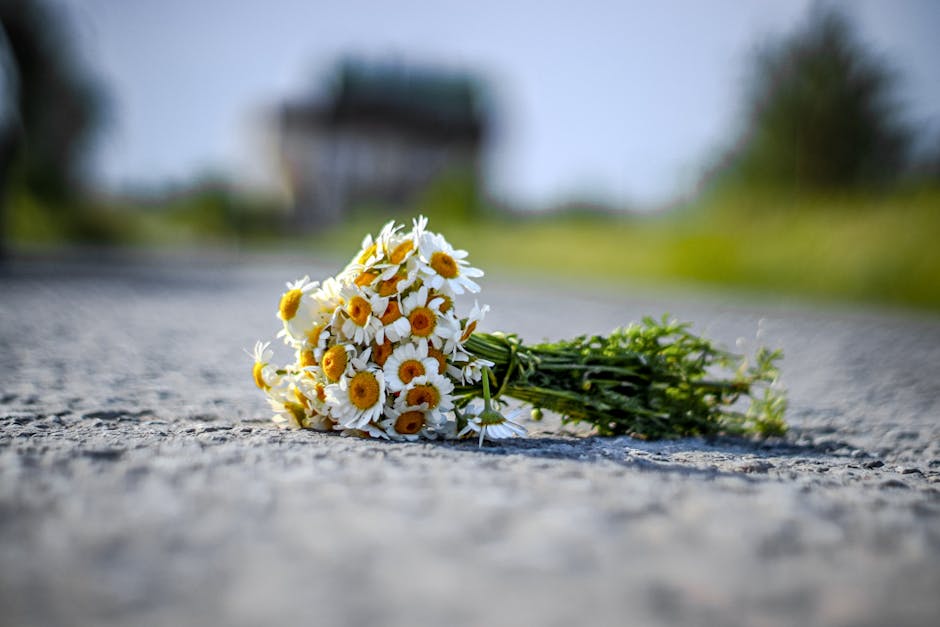
UK council rules for roadside floral tributes
Posted on 19/10/2026
When someone dies suddenly on the road, people often want to mark the place with flowers, ribbons, cards, or a small tribute. It is a deeply human response. But the reality is that UK council rules for roadside floral tributes can vary, and what feels respectful can sometimes create safety or maintenance problems if it is left in the wrong place. That is where clear guidance matters.
This article explains how roadside tributes are usually handled in the UK, what councils tend to expect, where problems arise, and how to keep the gesture safe, considerate, and compliant. If you are arranging a tribute for a loved one, helping a family, or simply trying to understand what is allowed, you will find practical answers here. Truth be told, there is a lot of confusion around this topic, and not all of it is helped by the fact that councils can approach it slightly differently.
We will cover the legal and practical side, the common mistakes people make, and the best way to choose flowers and tribute types that feel appropriate without causing extra distress to others. A little care goes a long way. Let's get into it.
Why UK council rules for roadside floral tributes Matters
Roadside floral tributes sit in a sensitive place: emotionally, physically, and legally. They are often laid at the scene of a fatal collision, a sudden death, or a place that held meaning for the person who died. They can bring comfort to grieving families, but they can also become a hazard if they spill onto a pavement, distract drivers, obscure visibility, or block access for maintenance crews.
That is the basic reason councils care. They are balancing grief with public safety. Not coldly, just practically.
In many UK areas, the council or highway authority will allow tributes for a period of time, especially when they are small, tidy, and not causing problems. But once flowers start decaying, ties come loose, candles appear, or items spread across kerbs and verges, the situation changes. A respectful tribute can quickly become litter, obstruction, or a risk in bad weather. A gusty afternoon in October can turn a neat bunch into loose ribbon and soggy cards very quickly.
There is also an emotional reason these rules matter. Families often want certainty. They want to know whether a tribute can stay, who is responsible for it, and whether it will be removed without warning. Understanding the rules helps people act with more confidence and less fear of doing the wrong thing.
Practical takeaway: roadside tributes are usually judged less by sentiment and more by safety, tidiness, and whether they interfere with the highway environment.
That may sound blunt, but it is the reality. And once you know that, you can plan a tribute in a way that is both heartfelt and considerate.
How UK council rules for roadside floral tributes Works
There is no single national rule that works exactly the same everywhere. In practice, roadside floral tributes are normally managed through local council policies, highway authority guidance, and site-specific judgement. Some councils are more flexible than others, especially where the tribute is recent and clearly part of a grieving process. Others are stricter near busy roads, junctions, roundabouts, or places where maintenance access is essential.
Here is how it usually works in real life:
- The tribute is placed close to the location of a death or significant incident, often near a verge, railing, layby, or roadside marker.
- The council or highway team notices it, either through routine inspection, resident contact, or a family request.
- They assess the risk by looking at visibility, obstruction, litter, animal attraction, fire risk, and whether the items are spilling into the carriageway or pavement.
- A decision is made about whether the tribute can remain, should be reduced, or needs to be removed.
- Communication may follow, sometimes via family members, a funeral director, police liaison, or ward councillor, depending on the circumstances.
What matters most is the location and format. A small bouquet tucked safely off the road is usually treated differently from a large display with glass jars, balloons, electrical lights, or loose items that might blow around. Councils are also likely to take a firmer line if the tribute sits at a junction, on a cycle lane, or somewhere that makes verge maintenance impossible.
Some people assume the police control everything at the scene. Sometimes they are involved initially, especially after a fatal collision, but longer-term responsibility usually shifts to the local authority or highway team. That is where the practical side kicks in.
If the tribute is being arranged as part of a funeral or remembrance, many families also consider more formal sympathy pieces such as funeral flowers, tributes, or a carefully chosen wreath so that the display feels meaningful while still being manageable.
A small note from experience: simple is often safer. A bunch of flowers, a card, or a neat ribboned tribute usually raises fewer questions than a full roadside display that looks like it needs its own postcode.
Key Benefits and Practical Advantages
Following council guidance is not just about avoiding a complaint. There are some very real benefits to handling roadside tributes properly.
- Safer for everyone - neat placements reduce the chance of obstruction or distraction.
- More likely to be left in place - councils are less likely to remove tributes that are tidy and low-risk.
- Less distress for the family - clear expectations mean fewer surprises.
- Better community understanding - neighbours and passers-by are less likely to object when a tribute is respectful and orderly.
- Easier to maintain - family members can refresh or collect items without wrestling with a sprawling mess by the kerb.
There is another advantage people do not always think about: a well-managed tribute can feel more dignified over time. Fresh flowers can be replaced before they collapse, cards can be gathered neatly, and a small space can stay meaningful without turning into a scene of decay. It sounds minor, but it is not. Grief is hard enough without the tribute becoming another thing to worry about.
For some families, the practical benefit is that a controlled tribute is easier to combine with longer-term remembrance. A roadside bouquet may be the first gesture, then later a home memorial, memorial book, or a dedicated arrangement in a place of worship, cemetery, or garden of remembrance. That progression often feels more sustainable.
If you are selecting flowers for a tribute, colours and flower types can carry subtle meaning. White flowers often feel calm and traditional, red can signal love or deep remembrance, and mixed arrangements can reflect personality rather than formality. You might also use sympathy flowers or a classic sympathy flowers collection for a softer, more understated look.
Who This Is For and When It Makes Sense
This guidance is for anyone dealing with the practical side of remembrance at the roadside. That includes family members, close friends, community groups, funeral directors, and sometimes employers or local organisations helping after a tragic incident.
It is especially useful if you are:
- placing flowers at the site of a fatal crash or sudden death
- helping a family decide whether a roadside tribute is appropriate
- trying to understand if a memorial can stay up for days or weeks
- dealing with a council that has asked for items to be moved or reduced
- choosing flowers that will hold up in the weather and not create clutter
It also makes sense if you are arranging a tribute in a place where local residents may walk by every day. To be fair, people are often supportive, but they may still raise concerns if the tribute spreads across a verge, blocks a gate, or starts shedding petals and wrapping into the gutter.
One thing worth saying plainly: if the site is on a busy road, near traffic lights, or by a bend, the tolerance level is usually lower. In those places, even a beautiful tribute can become awkward very quickly. That does not mean you cannot remember someone. It means the format needs to be thoughtful.
Many families choose tribute styles that feel personal but manageable, such as a small posy, a wreath, or a written message with just a few blooms. Others use a custom tribute at home and keep the roadside display minimal. There is no single right answer, only the one that works best for the situation.
Step-by-Step Guidance
If you are putting together a roadside floral tribute and want to stay on the right side of council expectations, this practical sequence helps.
1. Check the location first
Look at where the tribute will sit. Is it on private land, council land, the pavement edge, a verge, or close to a carriageway? The exact spot matters. A tribute placed just off the road is usually easier to manage than one in the middle of a shared footpath or against a traffic sign.
2. Keep the display small and stable
A compact arrangement is easier to secure. Use sturdy stems, a weighted vase if appropriate, or florist foam in a suitable container if the setting allows it. Avoid anything likely to topple, leak, or blow away. Blown-over lilies on a wet roadside are not charming; they are just a mess.
3. Avoid hazardous extras
Candles, glass bottles, sharp wire, balloons, and loose plastics are common troublemakers. They may look decorative, but councils often dislike them for safety or litter reasons. If you want a candle effect, consider a safer alternative elsewhere rather than placing a flame by the road.
4. Include a message if helpful
A short card can make the tribute feel personal without adding clutter. Something simple such as "Forever missed" or "Always in our hearts" is often enough. If you are using a tribute through a florist, a more formal option such as letter tributes may be suitable in a memorial setting, though roadside use should remain tidy and sensible.
5. Monitor the tribute after placement
Return to check it after rain or wind. If petals are strewn around or wrapping has loosened, tidy it up. This small act shows respect to both the person remembered and the public space being used.
6. Be ready for removal
Even when councils are sympathetic, roadside tributes may not stay indefinitely. If you know that from the start, it is easier to manage expectations. You can photograph the tribute, keep a card, or move flowers to a safer memorial location later.
7. Ask before assuming
If the tribute is large, long-lasting, or being placed in a sensitive location, ask the council or local authority what they prefer. A quick query can save a lot of upset later. Would you rather spend ten minutes checking, or hours trying to recover a display that was removed? Exactly.
Expert Tips for Better Results
Roadside tributes are one of those things where a little expert judgement makes a big difference. Here are the details that tend to matter most.
- Use weather-tolerant flowers if the tribute needs to last more than a day. Chrysanthemums, carnations, lilies, and roses can all work well depending on the season and setting.
- Stick to a restrained colour palette if the tribute is in a public location. White, cream, soft pink, and mixed muted tones often feel calm and respectful.
- Avoid overfilling the space. Plenty of people want to add "just one more thing," and before long the tribute has spread three feet beyond the intended spot.
- Use florist-secured arrangements where possible. A fixed design generally holds better than loose stems.
- Think about the surrounding area. If there are schoolchildren, dog walkers, cyclists, or daily commuters passing by, keep access clear.
Another useful tip is to think in layers. You can make the roadside tribute small but meaningful, then use a fuller floral arrangement at a funeral, wake, home altar, or memorial service. That often gives people more room to express their grief without burdening the roadside space itself.
And if the tribute is for a personal relationship, you can make it specific. A tribute in purple and white may feel right for one person, while another may suit a gentler arrangement using pale flowers and foliage. Florist-led options like sympathy, white, or mixed-colours arrangements can help you match the tone without overthinking every stem.
One small, human bit of advice: take a step back and look at the tribute from a few metres away. It often tells you more than fiddling with it up close ever will.
Common Mistakes to Avoid
Most problems with roadside floral tributes are avoidable. They usually come from good intentions mixed with a bit of haste. Understandable, yes. But still avoidable.
- Leaving items too close to moving traffic - even a small tribute can be unsafe if it sits too near the road edge.
- Using fragile containers - glass jars and lightweight vases often do not survive weather or passing disturbances.
- Adding too many extras - stuffed toys, balloons, candles, and plastic decorations can quickly make the tribute untidy.
- Ignoring decay - flowers that have wilted, turned brown, or begun to smell should be refreshed or removed.
- Assuming the tribute can stay forever - many cannot, and disappointment follows if that is not understood early.
- Forgetting the wider public - what is comforting to family may still inconvenience pedestrians or road workers.
Another common slip is trying to make the tribute "bigger" to show more love. In reality, bigger is not always better here. A neat, well-chosen arrangement often communicates more care than a crowded display that looks like it has been assembled in a hurry on a windy morning.
And yes, councils do notice. They may not say much at first, but if a tribute becomes a hazard or blocks maintenance, they will eventually step in. Best not to wait for that stage.
Tools, Resources and Recommendations
You do not need a huge toolkit to handle roadside remembrance well, but a few practical items help.
- Floral foam or a weighted container for stable placement where appropriate
- Weather-resistant ribbon if you are adding a name or message
- Securing ties for arrangements that may be affected by wind
- A simple card so the message is clear without adding clutter
- Phone camera to capture the tribute before weather or cleanup changes it
- Gloves and a bag for tidy-up visits, especially after rain
For flower selection, it can help to choose products that already suit tribute or sympathy use. Florist categories such as funerals, sprays, baskets and posies, and remembrance styles are often more appropriate than bright everyday gift bouquets.
If timing matters, consider same-day arrangements where available, because roadside tributes are often arranged quickly after news breaks. A prompt delivery can make a real difference when a family is trying to respond while everything still feels raw. You may also want to choose from same-day delivery if you need the flowers to arrive quickly and in good condition.
Small practical note: if the tribute will be seen from a road, choose blooms that still look composed after a few hours outdoors. A delicate arrangement may be beautiful indoors and not so impressive after a passing shower. We have all seen that happen.
Law, Compliance, Standards, or Best Practice
This is where a careful tone matters. Roadside floral tributes in the UK sit at the intersection of public space use, highway safety, and local discretion. The exact legal position depends on the land ownership, the road classification, and the council or highway authority's policy. Because of that, it is unwise to assume a single rule applies everywhere.
In practical terms, councils generally focus on a few points:
- Highway safety - tributes must not create a distraction or obstruction near traffic.
- Pedestrian access - footpaths, crossings, and dropped kerbs should remain usable.
- Maintenance access - grass cutting, sweeping, drainage work, and verge inspection need room to happen.
- Litter control - loose paper, plastic, and ribbon should not spread into the environment.
- Respectful duration - many councils allow temporary memorials, but not indefinitely.
Best practice is usually the safest place to stand. Keep the tribute small, secure, visible enough to be meaningful, and not physically disruptive. If you are unsure, ask the relevant local authority or check the policy for the area. It may feel awkward, but better awkward than having the items removed later with no warning.
There is also a wider duty of care at play. If you are organising a tribute as part of a community response, make sure people do not place unsafe items out of habit. A neat sign-in sheet, a named contact, or a single family liaison can prevent confusion. Simple systems help. Not glamorous, but they work.
One more thing: if a memorial is especially sensitive or the death is recent, be kind in how you communicate with the council. Staff often have to balance compassion with policy. A calm, clear conversation tends to get better results than anger shouted into a voicemail. Strange, but true.
Options, Methods, or Comparison Table
Different tribute styles suit different situations. Here is a practical comparison to help you choose.
| Tribute type | Best for | Pros | Possible issues |
|---|---|---|---|
| Small bouquet | Quick, temporary roadside remembrance | Simple, neat, easy to place | May wilt quickly in bad weather |
| Wreath | More formal memorial gestures | Stable, traditional, visually clear | Can be bulky if oversized |
| Posy or basket | Compact public tributes | Low-profile, elegant, manageable | Needs checking if exposed to wind |
| Personalised tribute | Specific names, initials, or family messages | Highly personal and meaningful | May become cluttered if too elaborate |
| Loose flowers and cards | Spontaneous community response | Accessible and immediate | Most likely to scatter or create litter |
For many families, the best compromise is a single, sturdy floral piece paired with a short message. That keeps the tribute dignified and reduces the chance of council intervention. If a more distinctive memorial is wanted, it can be moved to a safer long-term location later.
In some cases, families also choose themed or symbolic arrangements that suit the person remembered. For example, a tribute in white and green can feel calm and classic, while a personalised piece may reflect hobbies, faith, or family identity. A thoughtful example would be a tribute such as white and green Celtic cross for a spiritually meaningful remembrance. It is the sort of detail that says a lot without needing a long explanation.
Case Study or Real-World Example
Imagine a family in a Midlands town who wants to leave flowers at the edge of a dual carriageway where a relative died. They are devastated, and naturally they want the tribute to be visible from the road. At first they bring a large mixed display with balloons, several cards, and a glass vase. It looks lovely for the first hour, then the weather changes. One balloon loosens, the vase shifts, and a few flowers fall onto the verge.
After speaking with the council, they scale it back. They replace the display with a smaller wreath and a card fixed securely to the arrangement. They also move the larger personal items to a memorial table at home. The roadside tribute remains in place for a short, respectful time, and the family feels heard rather than policed. That is usually the best outcome.
This kind of adjustment happens a lot. Most people do not start out trying to create a hazard. They just want to honour someone properly. Once they understand the rules, they usually adapt quickly. A tribute does not have to be huge to be meaningful. Sometimes one neat bouquet, placed carefully, says everything.
In real-world terms, the most successful tributes are often the simplest ones. You can always add more meaning through the card message, the flower choice, or the story behind the arrangement. You do not need to crowd the roadside with it.
Practical Checklist
Use this quick checklist before placing a roadside floral tribute:
- Have I checked whether the location is safe and appropriate?
- Is the tribute small enough to avoid blocking access or visibility?
- Are the flowers and container stable in wind and rain?
- Have I avoided candles, glass, balloons, or loose plastic items?
- Does the tribute stay within the intended space?
- Is there a clear card or message if needed?
- Do I know who to contact if the council has questions?
- Have I planned for cleanup or removal later?
- Would a formal sympathy arrangement be safer or more suitable?
- Have I considered moving the larger tribute to a home or service setting?
If you can tick most of those boxes, you are probably on solid ground. If not, pause and simplify. A quieter tribute is often the wiser one.
Expert summary: for roadside tributes, respect is shown not by size, but by care, clarity, and safety.
Get a free quote today and see how much you can save.
Conclusion
UK council rules for roadside floral tributes are not there to diminish grief. They exist to balance remembrance with safety, access, and the practical realities of shared public spaces. Once you understand that, the rest becomes easier to navigate. Keep the tribute compact, secure, and considerate, and you are far more likely to create something that feels dignified rather than difficult.
If you are planning a tribute now, take a breath, keep it simple, and choose flowers that can stand up to the setting. That small bit of care can make a hard moment feel a little more held. And sometimes, that is enough.
There is comfort in doing things well, even when the reason is sad. A thoughtful tribute can carry love without causing trouble, and that is a quiet kind of grace.
Frequently Asked Questions
Can I leave flowers at the roadside in the UK?
Usually yes, but it depends on the location and whether the tribute creates a safety or maintenance issue. Councils often allow small, temporary floral tributes if they are tidy and do not obstruct access or traffic.
How long can a roadside tribute stay up?
There is no single nationwide time limit. Some tributes may remain for days or longer, while others are removed sooner if they become unsafe, untidy, or difficult to maintain. Councils often decide case by case.
Do I need permission from the council?
For a small, temporary tribute, formal permission is not always requested in advance. For larger or longer-lasting memorials, it is sensible to check with the local council or highway authority first.
Can the council remove a roadside floral tribute?
Yes, if it is causing an obstruction, becoming a hazard, or is left beyond what the council considers acceptable. They may also remove wilted or scattered items during routine maintenance.
Are candles allowed in roadside memorials?
Often they are discouraged, especially near traffic or in exposed areas. Open flames can create fire risk and safety concerns, so they are usually better avoided at the roadside.
What flowers are best for a roadside tribute?
Hardier flowers such as roses, carnations, chrysanthemums, and lilies are often suitable, depending on the season. The best choice is usually a compact, stable arrangement that can cope with outdoor conditions.
Can I put balloons with the flowers?
It is generally better not to. Balloons can break free, become litter, or distract drivers. Councils often prefer tributes that stay low, stable, and easy to manage.
What if the tribute is on private land near the road?
If the land is privately owned, the landowner's permission matters too. Even then, safety issues may still apply if the display is near a highway, footpath, or public access point.
Should roadside tributes be weatherproof?
Yes, as much as possible. Outdoor conditions can quickly damage a tribute, so stable containers, secure placement, and durable flowers all help keep it respectful and tidy.
What should I do if the council asks me to remove it?
Try to stay calm and ask why. Often there is a practical reason such as access, safety, or tidiness. You can usually move the tribute to a safer place or keep part of it at home as a personal memorial.
Can I use a florist to make a roadside tribute?
Absolutely. A florist can help you choose a design that is appropriate for the setting, whether that is a small wreath, a posy, or a sympathy arrangement that feels personal but manageable.
Is it better to use a small tribute or a large one?
In most roadside settings, smaller is better. A compact tribute is less likely to cause problems and often looks more dignified over time. Large displays are more suited to memorial services or private spaces.
What happens if flowers are left and start decaying?
They may be removed by the council or highway team, especially if they become messy or attract complaints. It is best to check and refresh the tribute before it deteriorates too much.
Are roadside tributes treated differently after a fatal crash?
Sometimes. Councils, police, and families may allow a temporary memorial to remain for a while after a fatal incident, but the same safety and access concerns still apply.