Top Tips for Growing Healthy Hydrangeas in Your Garden
Posted on 21/08/2025
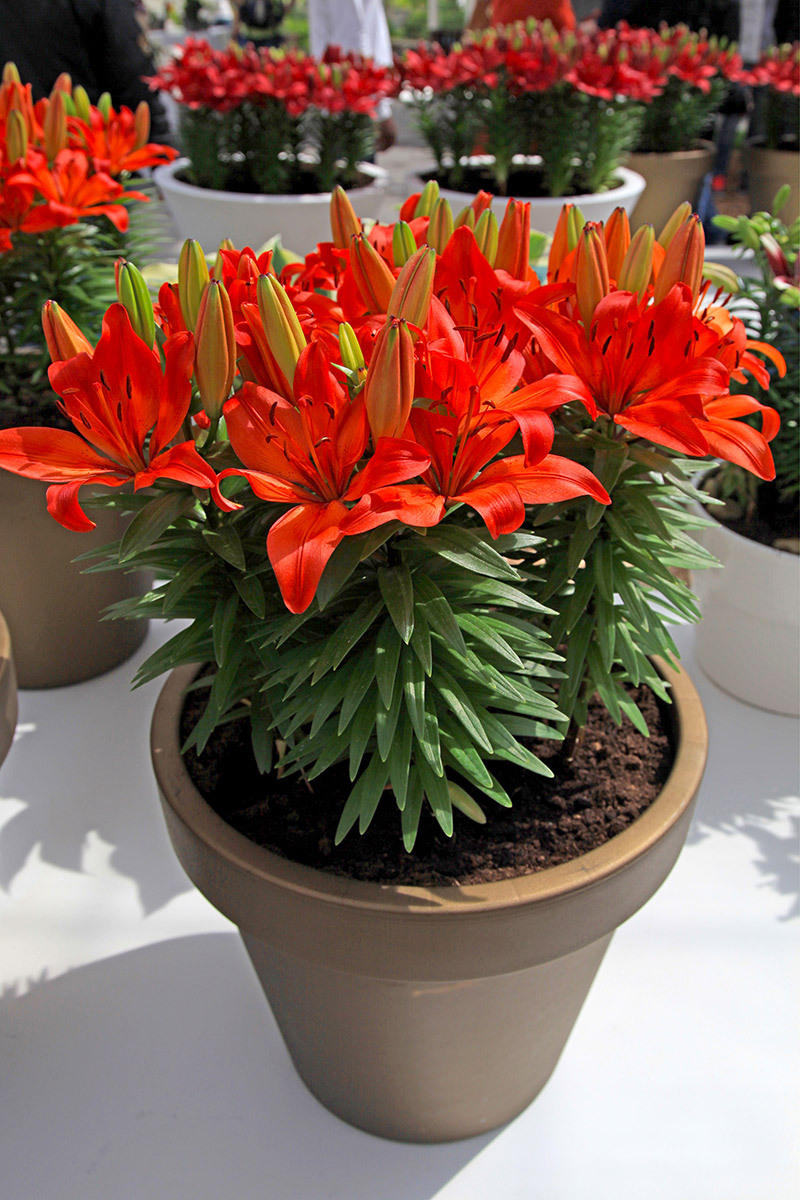
Top Tips for Growing Healthy Hydrangeas in Your Garden
Hydrangeas are cherished by gardeners for their lush foliage and vibrant, cloud-like blossoms that bring color and elegance to any outdoor space. If you're aiming to cultivate gorgeous and healthy hydrangeas in your garden, understanding their care requirements is crucial. In this comprehensive guide, you'll discover the best practices, expert advice, and actionable steps to help your hydrangeas flourish year after year.
Understanding Hydrangeas: Varieties and Basics
Before diving into the specifics of growing healthy hydrangeas, it's important to grasp the fundamentals of these stunning plants. Hydrangeas come in numerous varieties, each offering unique blooms and growth habits. Some popular types include:
- Hydrangea macrophylla (Bigleaf Hydrangea): Known for mophead and lacecap flowers; bloom color is affected by soil pH.
- Hydrangea paniculata (Panicle Hydrangea): Features cone-shaped blooms, thrives in full sun, and is winter-hardy.
- Hydrangea quercifolia (Oakleaf Hydrangea): Showcases distinctive oak-shaped leaves and white blossoms that age to pink.
- Hydrangea arborescens (Smooth Hydrangea): Produces round, white flower clusters and grows well in most conditions.
Knowing the variety you're cultivating will help tailor your care approach, ensuring you meet the specific needs of your hydrangeas for optimal health and vigor.
Choosing the Right Location: Sun and Shade Requirements
The location of your hydrangeas is pivotal for vigorous growth. Generally, hydrangeas flourish in spots that receive morning sunlight and afternoon shade. Here are some tips to consider:
- Bigleaf (Hydrangea macrophylla) and Oakleaf types prefer partial shade--ideally sunlight in the early hours with protection from harsh midday rays.
- Panicle (Hydrangea paniculata) and Smooth hydrangeas thrive with more sun and can tolerate full sun in cooler climates.
Too much sun can scorch leaves and wilt flowers, while excess shade results in fewer blooms. Thus, a balanced spot in your garden ensures healthy hydrangea growth and abundant blossoms.
Soil Preparation: The Foundation of Healthy Hydrangeas
Soil quality plays a vital role in the well-being of hydrangeas. These plants crave fertile, well-draining soil enriched with organic matter like compost or well-rotted manure.
Tips for Preparing the Perfect Soil
- Test your soil's pH: Hydrangeas are unique--some varieties change flower color based on soil acidity. For blue blooms, acidic soil (pH 5.2-5.5) is best; pink flowers thrive in neutral to alkaline conditions (pH 6-6.2).
- Amend with organic matter: Blend compost into the planting area to enhance drainage and nutrient content.
- Ensure good drainage: Avoid planting in waterlogged areas, as hydrangeas dislike wet feet and may develop root rot.
Healthy hydrangea growth starts with well-prepared soil. Regularly enrich the ground to maintain fertility and support robust blooms.
Planting Hydrangeas: Step-by-Step Guide
Proper planting gives your hydrangeas the best start. Here's a simple yet effective process:
- Dig a hole twice the width of the root ball but no deeper than its height.
- Loosen roots gently and place the plant at ground level, not deeper.
- Backfill with amended soil, firm gently, and water well.
- Apply mulch around the base to retain moisture and suppress weeds.
Timing Tip: Plant hydrangeas in spring or fall for the best results; avoid extreme summer heat or winter cold during planting.
Watering Strategies: Keeping Your Hydrangeas Hydrated
Consistent moisture is essential for growing robust hydrangeas. These plants have shallow roots that can dry out quickly, especially in hot weather. Here's how to master hydrangea watering:
- Water deeply but infrequently. Ensure the soil is moist, not soggy, by watering 1-2 inches per week, adjusting for rainfall.
- Morning is best: Water early to reduce evaporation and prevent fungal diseases.
- Mulch regularly to lock in soil moisture and regulate temperature (2-3 inches of organic mulch is ideal).
- Signs of under-watering: Wilting leaves during the heat of the day, crispy leaf edges, and small flowers.
Remember: Overwatering can be as harmful as under-watering. Always check soil moisture before watering again.
Fertilizing Hydrangeas: Nutrition for Healthy Blooms
To produce large, vibrant blossoms, hydrangeas need balanced nutrition. A lack of nutrients can lead to stunted growth and poor flowering. Follow these feeding guidelines:
- Use a balanced, slow-release fertilizer, such as 10-10-10, in spring when new growth appears.
- For color control in bigleaf hydrangeas, use specific fertilizers aimed at enhancing blue or pink hues.
- Avoid excessive nitrogen, which encourages leafy growth over flowers.
- Top-dress with compost annually to continually enrich the soil.
Tip: Stop fertilizing by mid-summer to prevent tender growth that may perish in winter.

Pruning Techniques: Maximizing Flower Production
Pruning is an essential skill for gardeners who want healthy, beautiful hydrangea bushes. However, incorrect pruning can reduce the number of blooms. Understanding the proper timing and method based on your hydrangea type is critical:
When and How to Prune
- Bigleaf and oakleaf hydrangeas bloom on old wood (the previous year's growth). Prune right after flowering to shape and remove dead wood.
- Panicle and smooth hydrangeas flower on new wood (the current season's growth). Prune in late winter or early spring, cutting stems back for larger blooms.
- Always remove weak, damaged, or crossing branches to improve air circulation and health.
Regular but careful pruning ensures lush flower clusters and prevents overgrown, woody shrubs.
Managing Pests and Diseases in Hydrangeas
Even with optimal care, hydrangeas may face threats from insects or disease. Quick identification and action are key:
Common Issues and Solutions
- Powdery mildew: Prevent with good airflow and by avoiding overhead watering. Treat with fungicides if needed.
- Aphids & spider mites: Rinse with a strong water stream or use insecticidal soap.
- Leaf spots or blights: Remove infected leaves and apply a suitable fungicide.
- Slugs/snails: Hand-pick or use natural barriers to protect young shoots.
Tip: Healthy, stress-free hydrangeas are less likely to suffer from pests and diseases. Regular monitoring and maintenance keep your hydrangea garden thriving.
Adjusting Flower Color: The Magic of Soil pH
Did you know? Certain hydrangeas can change color based on soil chemistry! If you grow Bigleaf Hydrangeas, you can tweak their hue:
- For blue flowers: Lower pH (acidic) with elemental sulfur or aluminum sulfate.
- For pink flowers: Raise pH (alkaline) with garden lime.
- Always test your soil before making adjustments, and follow product instructions carefully.
Experiment with soil amendments in small areas before committing across the whole plant.
Overwintering Your Hydrangeas: Cold Weather Care
Some hydrangea types are more cold-sensitive than others. Proper winter protection can mean the difference between thriving and failing plants.
- In cold climates, add a thick layer of mulch (up to 12 inches) around the base to insulate roots.
- For Bigleaf and oakleaf hydrangeas, consider covering with burlap or frost cloth if late frost threatens buds.
- Avoid pruning in fall; wait until after spring's risk of frost has passed.
Caring for your hydrangeas in winter prepares them for vigorous spring regrowth.
Container Hydrangeas: Growing in Pots
Lack garden space? Hydrangeas grow beautifully in containers--perfect for patios or balconies!
- Select a large, sturdy pot with good drainage.
- Use a high-quality, peat-free compost and add extra perlite or grit for drainage.
- Water more frequently, as pots dry quickly in hot weather.
- Feed regularly with a balanced liquid fertilizer through the growing season.
- Move pots to a sheltered area in winter or insulate them to prevent root freeze.
Container hydrangeas are just as rewarding as their garden counterparts when given the right care!
Hydrangea Care Calendar: Year-Round Tasks
Keeping your hydrangea shrubs vibrant and healthy requires seasonal attention. Here's a simple care calendar:
- Spring: Prune and fertilize. Watch for pests and diseases as new growth emerges.
- Summer: Water consistently, mulch, and deadhead old flowers.
- Fall: Add mulch and reduce watering as plants slow their growth.
- Winter: Protect cold-sensitive varieties with extra mulch and covers if necessary.
Routine care, monitoring, and timely intervention will reward you with lavish, long-lasting hydrangea displays.
Frequently Asked Questions about Growing Hydrangeas
Can I grow hydrangeas from cuttings?
Yes! Hydrangeas are easily propagated from softwood cuttings in summer. Root them in a moist, sterile medium and keep them humid until grown.
Why are my hydrangeas not blooming?
Common reasons include: incorrect pruning time, insufficient sunlight, over-fertilizing with too much nitrogen, or winter bud damage.
How do I revive a wilted hydrangea?
Deeply water at the base, mulch, and move (if in a pot) to a shadier spot temporarily. _Check for root rot or pests if symptoms persist_.
Conclusion: Enjoying Healthy Hydrangeas in Your Garden
Growing hydrangeas is a gratifying journey--these iconic garden plants bring charm and elegance to any landscape. By following these essential tips--choosing the right location, enriching your soil, practicing proper watering and pruning, and protecting your plants--you will encourage abundant flowering and robust health season after season.
_Remember, each hydrangea variety may require slight adjustments in care, so always observe your particular plants and fine-tune your routine accordingly._ With patience, attention, and our top tips, your garden will soon be brimming with the spectacular blooms of thriving hydrangeas!
- Start with healthy plants and the right variety for your climate.
- Monitor their needs as they grow--adjust watering, feeding, and protection as required.
- Enjoy the magnificent flowers and vibrant foliage your hard work produces!
For more expert gardening advice and flower care guides, explore our related articles and become a hydrangea-growing pro today!