Selecting wedding flowers that suit your venue style and budget
Posted on 03/10/2026
Wedding flowers do a lot more than look pretty in photos. They set the tone the second your guests walk in, shape how polished your venue feels, and quietly tie the whole day together. But let's be honest: it's very easy to get carried away. A Pinterest board full of dreamy arches and overflowing centrepieces can look magical until the quote lands and you realise the numbers are doing their own little wedding dance.
That is exactly why selecting wedding flowers that suit your venue style and budget matters so much. The best floral plans don't just follow trends. They work with the room, the light, the season, the table shapes, and the money you actually want to spend. In this guide, you'll find a practical, human way to choose wedding flowers that feel right for your venue and still leave room in the budget for everything else that matters.
Why Selecting wedding flowers that suit your venue style and budget Matters
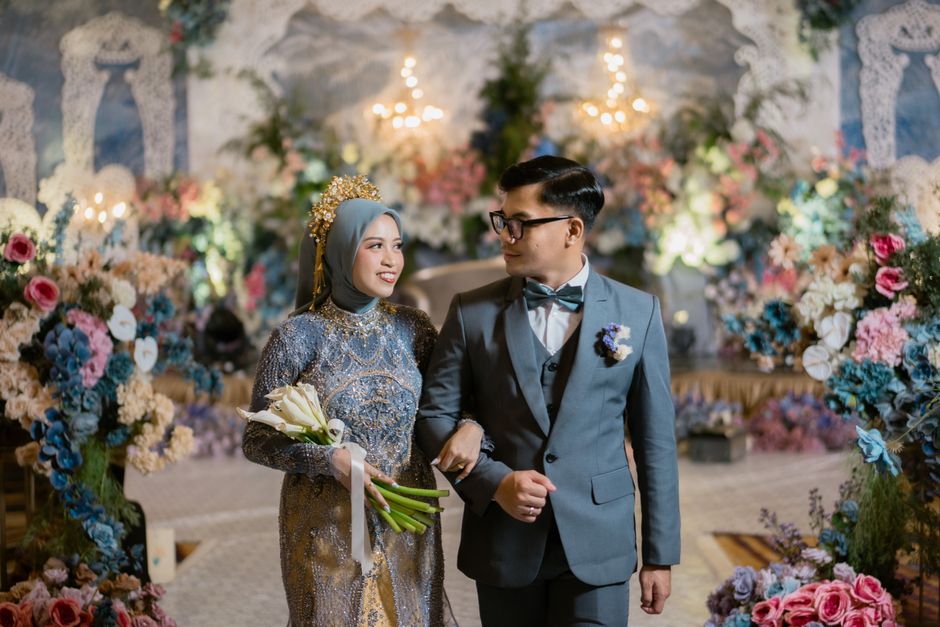
Flowers should feel like they belong in the space. A rustic barn with lots of timber and warm light usually calls for something looser, softer, and more natural. A grand hotel ballroom, on the other hand, can handle more formal arrangements, taller structures, and a bit of drama. If the flowers fight the venue, everything starts to feel slightly off. Not terrible. Just... not quite right.
Budget matters for the same reason. Wedding flowers are one of those areas where it is easy to overspend without really noticing. One extra pedestal arrangement here, a few more table designs there, and suddenly the florist quote has climbed. Knowing your venue style and your budget early helps you make cleaner decisions, and the whole process gets much calmer.
There is also a practical side. Some venues have strong natural features already, so you do not need to overdecorate. Others are plain or very open, which means your flowers need to do more visual work. If you ignore that balance, you can end up paying for arrangements that are too small for the room or too large for the setting. Neither is ideal, and both can be a bit of a waste.
In our experience, the couples who are happiest with their flowers are usually the ones who start by asking two simple questions: What does the venue already give us? And what do we really want to spend? Surprisingly effective. Almost annoyingly so.
How Selecting wedding flowers that suit your venue style and budget Works
The process is less about choosing random flowers and more about matching three things: the venue, the colour story, and the budget. Once those three line up, the rest becomes much easier.
First, look at the venue itself. Is it modern, classic, heritage, industrial, countryside, or coastal? Notice the colours on the walls, the height of the ceilings, the amount of daylight, and what is already in the room. A venue with patterned carpets and dark wood furniture may need softer florals to stop the space feeling heavy. A white-walled gallery, by contrast, can take brighter or more sculptural arrangements without looking crowded.
Second, decide how visible the flowers need to be. Some weddings only need bouquets, buttonholes, and a few table arrangements. Others need ceremony flowers, aisle accents, reception displays, and statement pieces for photos. This is where the budget can either stay tidy or very quickly get ideas above its station.
Third, work out where your money has the most impact. A good florist can often create a stronger result with a few carefully chosen focal points than with many small pieces scattered everywhere. For example, a beautiful bridal bouquet, matching bridesmaid bouquets, and well-placed table arrangements may give you more visual payoff than trying to cover every surface in bloom.
There is no single "correct" floral formula. What works for a marquee wedding in summer may look completely wrong in a listed townhouse in November. The trick is to design for the room you are actually using, not the one you saw online at 11 p.m. while lying on the sofa with a cup of tea going cold.
Key Benefits and Practical Advantages
When you choose flowers with the venue and budget in mind, you get more than a pretty result. You get control, consistency, and a better guest experience. That sounds a bit grand, but it is true.
- Better visual harmony: The flowers feel like part of the venue rather than decoration pasted on top.
- Smarter spending: Money goes toward the arrangements that will actually be seen and remembered.
- Less last-minute stress: Clear choices make it easier to brief the florist and avoid scope creep.
- Stronger photos: Coordinated flowers frame the space and create more polished images.
- More flexibility: Seasonal and venue-led planning usually opens up better value options.
A well-matched floral scheme also helps your other details breathe. Candles, linen, signage, and even the cake table tend to look better when the flowers are doing their job without overpowering everything. Truth be told, that subtle balance is often what makes a wedding feel expensive even when the budget was sensible.
If you want a place to start with floral categories, you can explore the wedding ranges at wedding flowers for the full occasion, then narrow down by style and budget from there. For broader inspiration, the all flowers collection can also help you spot colours and stems that suit your scheme.
Who This Is For and When It Makes Sense
This approach is useful for almost any couple planning a wedding, but it matters most if you have a fixed budget, a venue with a strong personality, or both. If your venue already has a lot going on visually, flowers need to support rather than compete. If your venue is plain, your flowers may become one of the main design features. Either way, the planning needs a bit of thought.
It is especially helpful for:
- Couples planning a wedding in a hotel, barn, manor house, registry office, marquee, or restaurant
- Anyone comparing florist packages and trying to understand what is worth paying for
- People who want a polished look without overspending on statement installations
- Brides and grooms who care about colour, seasonality, and flower choice but do not want overwhelm
- Couples working with limited venue access time or tight setup windows
It also makes sense if you are doing some of the planning yourself and only need a few professional pieces. For example, you might want a bespoke bridal bouquet, matching bridesmaid bouquets, and a handful of table arrangements, but not a full ceremony arch. That is a very normal brief, by the way. Nothing wrong with keeping things elegant and realistic.
If your wedding leans more romantic, a collection like Pure Romance or Royal Essence can be a useful starting point for style ideas without having to build every detail from scratch.
Step-by-Step Guidance
Here is a practical way to make the decision without getting lost in the details.
1. Study the venue before you think about flowers
Look at the room in daylight if possible. Notice the walls, ceiling height, flooring, table shapes, and existing decor. A venue with low ceilings and lots of texture usually suits lower arrangements and softer forms. Tall ceilings and open spaces can handle vertical designs or larger focal pieces.
2. Decide the floral jobs first
Ask what the flowers must actually do. Are they mainly for the bouquet and photos? Do they need to decorate the ceremony, reception tables, and entrance? Once you list the jobs, you can separate essentials from nice extras. That simple filter saves money fast.
3. Set a realistic budget range
It helps to know your ceiling before you speak in detail with a florist. You do not need a rigid penny-perfect plan, but you do need a boundary. If the budget is clear, the florist can suggest flower types, sizes, and quantities that fit rather than guessing wildly.
4. Choose a colour palette that suits the space
Soft whites, greens, blush, and ivory often work beautifully in traditional or light-filled venues. Stronger colours such as red, purple, coral, and yellow can lift modern or neutral spaces. Mixed palettes work too, but they need discipline. Otherwise the look can get busy very quickly.
5. Match flower style to venue character
Loose meadow-style arrangements suit countryside venues and summer weddings. Structured bouquets and classic rose combinations suit formal venues and black-tie evenings. Modern venues can take sculptural designs, orchids, or cleaner lines. Think about the architecture, not just the flowers themselves.
6. Build the design around a few priority pieces
Spend first on the items people will see most: bridal bouquet, key ceremony features, table centrepieces, and perhaps buttonholes or corsages if they matter to your final look. If there is room in the budget, add extras. If there is not, stop there and let the design breathe.
7. Check delivery and setup details
Venue access times matter more than many couples expect. Some venues only allow a small window for setup. If that is the case, simpler designs may be smarter than intricate installations. Easy to overlook. Very common, too.
8. Confirm seasonal substitutions
Flowers move with the seasons, and some exact stems may not be available year-round. A good florist will suggest alternatives that keep the colour and feel you want. This is where flexibility helps the budget as well. Seasonal blooms usually offer better value and often look fresher in the room.
9. Review the final plan with the venue layout in mind
Before you approve anything, visualise the flowers in the actual room. Where will guests sit? What will be visible in photos? Will the arrangements block conversation? A tall centrepiece can be beautiful, but if guests are leaning sideways to talk across the table, that is not much fun, is it?
Expert Tips for Better Results
Once the basics are in place, a few small choices can make the whole design feel smarter and more polished.
- Use one or two hero flowers: Roses, lilies, hydrangeas, tulips, and alstroemeria can each anchor a different style when used well.
- Repeat key colours: Repetition across bouquets, buttonholes, and centrepieces creates a finished look without needing more flowers.
- Let foliage do some work: Greenery can make arrangements fuller and more natural without pushing the cost up too much.
- Choose focal points wisely: A strong bouquet and one good ceremony piece often beat lots of small, forgettable decorations.
- Keep table designs guest-friendly: Low arrangements are easier for conversation, especially at round tables.
- Use the venue's own features: Mirrors, fireplaces, staircases, window ledges, and mantelpieces can all carry flowers beautifully.
A little restraint usually helps. Really. Couples sometimes think "more flowers" means "more beautiful," but that is not always the case. A few well-chosen arrangements in the right places can look much more luxurious than a room packed with random bits and pieces.
If you are working to a tighter spend, start with the value collections such as cheap flowers, budget flowers, or a curated choice like florist choice. These can be useful when you want good presentation without paying for unnecessary extras.
Common Mistakes to Avoid
There are a few classic traps that show up again and again. Most are easy to avoid once you know what to look for.
- Choosing flowers before understanding the venue: The prettiest bouquet in the world can look wrong if it is too small, too bold, or too formal for the room.
- Ignoring scale: Tiny arrangements disappear in a large ballroom. Oversized pieces can overwhelm a small room.
- Trying to cover every surface: This is where budgets vanish. Not every table needs a major arrangement.
- Forgetting seasonal availability: An exact flower may be expensive or hard to source at your chosen time of year.
- Not checking venue restrictions: Some venues have rules about candles, hanging installations, confetti-style petals, or fixing items to walls and furniture.
- Overcomplicating the colour scheme: Too many colours can make the day feel less cohesive, especially in a busy room.
A very ordinary mistake, but an expensive one, is spending heavily on pieces that will barely be noticed. A tall doorway arrangement sounds exciting until you realise only five people will stand near it. Spend where the room gets the most attention. That is the trick.
Tools, Resources and Recommendations
You do not need fancy software to plan wedding flowers well, but a few simple tools make decisions easier.
- Venue photos: Ask for pictures of the room set for a wedding, not just empty marketing shots.
- Table plan: A rough seating plan helps you decide how many centrepieces you really need.
- Colour swatches: Keep a note of your dress, suit, linen, and decor colours so everything works together.
- Budget breakdown: Split your spend into bouquet, ceremony, reception, and extras.
- Seasonal flexibility: Keep a shortlist of preferred flowers and a second-choice list in case availability changes.
For style inspiration, browse wedding-focused ranges like White Wonders, The Perfect Match, or Love Devotion. If you want individual arrangement ideas, look at white roses wedding arrangements, roses and chrysanthemums arrangements, or rose, orchid and lisianthus centrepieces.
Those pages are useful because they show how different flower combinations feel on their own. That often makes the decision process less abstract. You see one design and suddenly think, yes, that would actually work in our room. Simple, but effective.
Law, Compliance, Standards, or Best Practice
Wedding flowers are not heavily regulated in the way some trades are, but there are still practical standards and venue rules to respect. In the UK, the biggest issues tend to be venue policies, safety, and access rather than formal licensing. Always check what your venue allows before finalising the floral plan.
Best practice usually includes the following:
- Fire safety awareness: If candles, lanterns, or floral installations are used together, the venue may have restrictions.
- Allergy awareness: Strongly scented flowers can be lovely, but they may not suit every guest or space.
- Venue protection: Avoid damage to walls, floors, and furniture when securing displays.
- Clear access and timing: Florists often need a realistic setup window, especially in city venues with tight schedules.
- Seasonal and sourcing honesty: A good florist should explain when substitutions are likely and what that means for the final look.
If your venue is a historic building or a London space with stricter rules, assume nothing. Ask first. It saves awkward conversations later and usually saves money too, because last-minute changes are rarely cheap. To be fair, that goes for weddings in general.
Options, Methods, or Comparison Table
Different flower strategies suit different venue styles and budgets. Here is a simple comparison to help you think it through.
| Approach | Best for | Budget impact | Look and feel | Notes |
|---|---|---|---|---|
| Minimal focal flowers | Small venues, tighter budgets, registry office weddings | Lower | Simple, elegant, uncluttered | Focus on bouquet, buttonholes, and one or two reception features |
| Seasonal coordinated set | Most venues, especially if you want value and cohesion | Moderate | Balanced and polished | Uses flowers that are available and cost-effective for the season |
| Statement venue styling | Large ballrooms, luxury hotels, marquee weddings | Higher | Bold, dramatic, high impact | Works best when the room has scale and the budget is comfortable |
| Relaxed natural style | Barns, gardens, countryside venues | Moderate | Soft, romantic, organic | Often suits mixed blooms, foliage, and less formal shapes |
If you are unsure which route suits you, start by looking at the venue first and then your budget. Not the other way around. That small order change helps more than you might think.
Case Study or Real-World Example
A couple planning a late-summer wedding in a London townhouse wanted flowers that felt romantic but not too grand. The venue had patterned carpets, dark wooden details, and fairly compact dining rooms. Beautiful rooms, honestly, but not the kind that want oversized displays everywhere.
Instead of building lots of separate arrangements, they chose a focused floral plan: a standout bridal bouquet, complementary bridesmaid bouquets, groom buttonholes, and low table arrangements in soft white, blush, and green. They also used flowers to soften the welcome area and the top table rather than trying to cover every single surface.
The result was calm and cohesive. The venue still looked like itself, which matters more than people think, and the flowers added warmth rather than clutter. The budget stayed under control because they did not chase every possible add-on. A few clever choices did the heavy lifting.
For the bouquet and bridal pieces, something from the bridal bouquet collection or a soft classic like Sincerely Yours bridal bouquet would suit that kind of setting well. For guests' tables, a simpler arrangement such as white lily, rose and orchid centrepieces can carry a refined look without shouting for attention.
Practical Checklist
Use this checklist when you are comparing flower ideas. It keeps the whole thing a bit less chaotic.
- Have I looked at the venue in person or seen clear photos?
- Do I know the style of the venue: classic, modern, rustic, heritage, or something else?
- Have I set a realistic flower budget before choosing designs?
- Do I know which flower items are essential and which are optional?
- Have I chosen a colour palette that fits the room?
- Have I checked seasonal availability for my preferred blooms?
- Do I understand the venue's rules about setup, candles, petals, and hanging decor?
- Will the arrangements suit the size of the tables and the height of the room?
- Have I allowed for delivery and installation timing?
- Does the plan feel balanced between impact and cost?
If you can answer yes to most of those, you are in a strong position. If not, no drama. It just means you need a little more clarity before you commit.
Conclusion
Choosing wedding flowers is much easier when you stop treating it as a standalone decoration decision and start seeing it as part of the whole venue experience. When the flowers suit the space, the day feels more polished. When they suit the budget, you stay calm and make decisions with confidence. That combination is where the real magic sits.
The best approach is simple: understand the venue, set your spending limit, choose flowers that work with both, and focus on the arrangements that will matter most. Do that, and you will end up with flowers that feel personal, elegant, and genuinely right for the day. Not overdone. Not undercooked. Just right.
If you are still narrowing down ideas, start with your venue's personality and build from there. The flowers will follow. They usually do, once the plan is clear.
Get a free quote today and see how much you can save.
Frequently Asked Questions
How do I choose wedding flowers that match my venue style?
Start by looking at the venue's architecture, colours, light, and existing decor. Formal venues usually suit structured or classic arrangements, while rustic and outdoor spaces often work better with softer, more natural designs. The flowers should feel like they belong in the room rather than competing with it.
What wedding flowers are best for a tight budget?
Budget-friendly choices often include seasonal blooms, simple colour palettes, and fewer but more impactful arrangements. Roses, chrysanthemums, alstroemeria, carnations, and florist-choice designs can work well when used carefully. A focused plan usually gives better value than trying to decorate every surface.
Should I choose flowers before or after booking the venue?
Book the venue first if you can. The venue shapes the style, scale, and budget of your floral plan. Once you know the room you are decorating, it becomes much easier to choose the right flowers and avoid paying for designs that do not suit the space.
How many flower arrangements do I actually need?
That depends on the venue size and the type of wedding you are planning. Most couples need at least a bouquet, buttonholes or corsages, and some form of table or ceremony flowers. Bigger venues may need more, but a small venue can often look complete with just a few well-placed pieces.
What flowers look best in a barn or countryside venue?
Loose, romantic arrangements usually suit barns and countryside settings very well. Think softer shapes, natural foliage, and blooms that do not feel overly formal. A slightly relaxed look often works better than something too rigid or symmetrical.
Can I use the same flowers for the ceremony and reception?
Yes, and this is often a clever way to stretch the budget. Some ceremony arrangements can be moved to the reception after the vows, especially aisle pieces, entrance flowers, or smaller displays. Just make sure the timing and logistics are agreed in advance.
How can I make flowers look more expensive without spending more?
Use a limited colour palette, repeat a few key flowers, and concentrate on the areas people notice most. Good foliage, thoughtful placement, and neat styling can make a big difference. It is often more effective to have a few strong designs than lots of scattered small ones.
Are seasonal flowers really cheaper?
They often are, because they are more readily available and easier to source in good condition. Seasonal flowers also tend to look fresher and more natural in the setting. Prices can still vary, of course, but seasonality is usually one of the best ways to manage cost.
Do I need matching bridesmaid bouquets and buttonholes?
They do not have to be identical, but they should feel coordinated. Matching does not mean copy-and-paste. A shared colour story or similar flower choice is often enough to create a cohesive look without making everything feel too formal.
What should I ask a florist before I book?
Ask what is included, what can be changed, what seasonal substitutions might happen, and how the flowers will be delivered and set up. Also ask whether they have experience with your venue type. Those answers usually tell you far more than a glossy portfolio alone.
How far in advance should I plan wedding flowers?
It is sensible to start early, especially if your venue has a specific style or your wedding date is in a busy season. Even if you do not finalise every detail straight away, having a rough floral direction helps with budgeting and avoids rushed decisions later.
What if my venue is very plain?
A plain venue can actually be a gift, because the flowers have more room to shine. You may want to use stronger colours, fuller arrangements, or a more noticeable focal piece. The key is to let the flowers do enough visual work without overfilling the space.
Can I mix premium and budget flowers in one wedding design?
Absolutely. That is often the smartest way to manage cost. A florist can place premium flowers where they have the most impact and use more economical blooms or foliage elsewhere. The result can still look elegant, balanced, and intentional.
Whether your wedding is a small city celebration or a larger countryside day, the right flowers should make the venue feel more like your place for the day. Keep the room, the budget, and the mood in view, and the rest becomes much easier. A bit of planning really does go a long way.