Choosing funeral flowers for UK services: a practical guide
Posted on 07/05/2026
Choosing Funeral Flowers for UK Services: A Practical Guide
Choosing funeral flowers for UK services can feel strangely difficult at exactly the time you want things to feel simple. You are trying to show respect, express sympathy, and make a thoughtful choice - but there are practical details to consider too: the type of service, the family's wishes, the venue, religion or tradition, and how quickly the flowers need to arrive. This guide walks you through those decisions in plain English so you can choose arrangements with confidence, whether you are arranging a tribute for a crematorium, church, cemetery, or a celebration of life service.
There is no single "right" arrangement. The best funeral flowers are the ones that feel appropriate, personal, and manageable within your budget and timeframe. Below, you will find what different arrangements mean, how to match flowers to the service, what to avoid, and how to place an order without last-minute stress. If you are also thinking about delivery, care, or ordering support, it may help to review a trusted sympathy flower delivery service alongside the guidance here.
Practical summary: start with the service type, then think about relationship, colour, size, and any family or faith preferences. That sequence alone removes most of the uncertainty.
Why Choosing Funeral Flowers for UK Services: a Practical Guide Matters
Funeral flowers do more than decorate a venue. They help set a tone of respect, remembrance, and care. In a UK funeral, flowers often carry a practical role too: they identify relationships, support tributes to the person who has died, and help the service feel personal rather than generic. A well-chosen arrangement can quietly say what is hard to put into words.
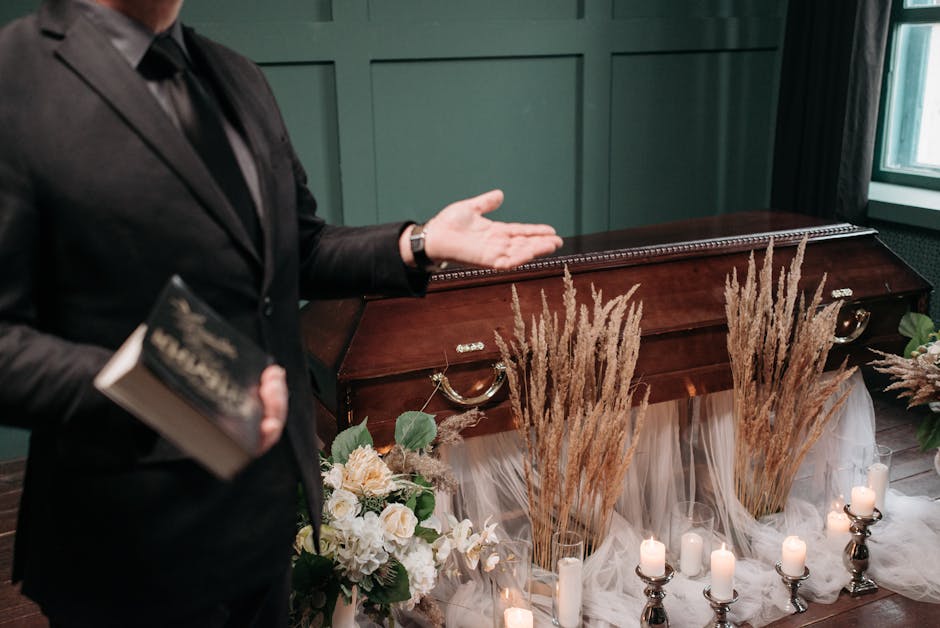
That matters because funeral services are not all the same. A church service may allow larger displays and traditional sprays, while a crematorium service can call for smaller, more contained arrangements. A family might ask for understated white flowers only, or prefer something brighter and more celebratory. Sometimes the right choice is obvious; often it is not. That is why a practical framework helps.
People also tend to underestimate the emotional pressure of making the "right" choice. You are rarely buying flowers for an ordinary occasion. Timing is tight. Expectations may be unclear. The family may be grieving and not able to answer detailed questions. A calm, informed approach avoids awkwardness and reduces the chance of sending something that feels out of place.
In short, funeral flowers matter because they sit at the intersection of etiquette, sentiment, and logistics. A thoughtful choice should honour all three.
How Choosing Funeral Flowers for UK Services: a Practical Guide Works
The process is usually simpler than people expect once you break it into a few decisions. First, confirm the service details. Is it a burial, cremation, memorial service, or a direct cremation with flowers sent separately to the family? Then check whether the family has requested donations instead of flowers, or any specific guidance about colour, style, or where flowers should be sent.
Next, decide what role the flowers are meant to play. Are they from immediate family, extended family, friends, work colleagues, or a business group? That distinction matters because it affects scale and wording. A spouse or children may choose a casket spray or large tribute, while colleagues usually choose a wreath, posy, basket, or a shared sympathy arrangement.
From there, think about style. UK funeral flowers typically fall into a few broad categories:
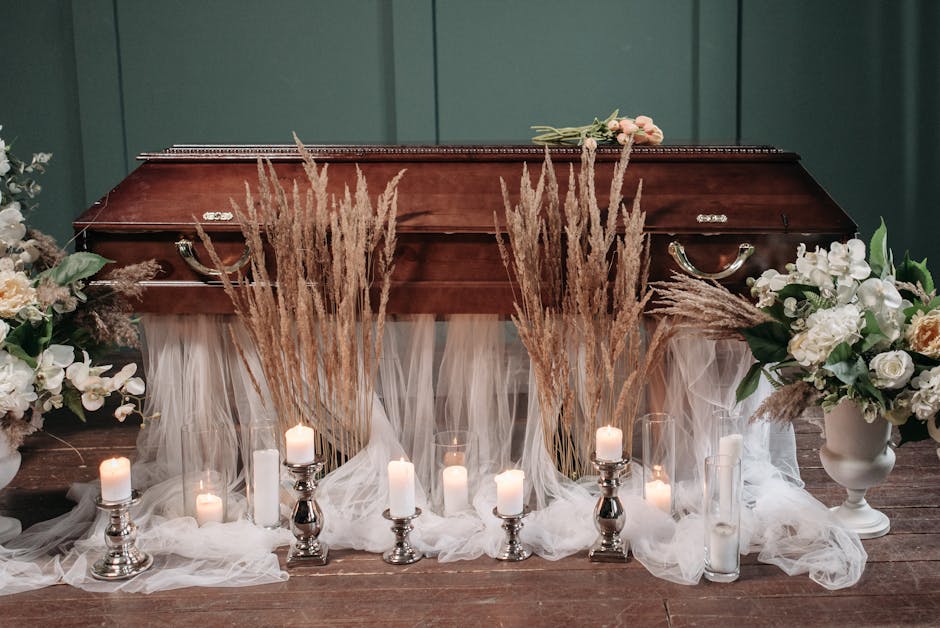
- Casket sprays: larger arrangements placed on the coffin
- Wreaths: circular tributes symbolising eternal remembrance
- Sprays: versatile arrangements suitable for many services
- Posies and baskets: smaller, more compact tributes
- Letter or shaped tributes: personalised designs, often from close family
- Crosses, hearts, and other symbolic forms: used when faith or personal symbolism matters
If you are unsure which category suits the occasion, florist-led options can be useful. A well-designed sympathy range from a specialist site such as sympathy flowers online often makes selection easier because the sizes and styles are already matched to funeral use.
Finally, check practical details: the funeral director's name and address, delivery window, card message, and any access restrictions at the venue. That is the unglamorous part, but it is the difference between a smooth delivery and a stressful phone call on the day.
Key Benefits and Practical Advantages
Choosing funeral flowers carefully brings more than visual harmony. It helps the family feel supported in a concrete way. Grief can make even small decisions feel bigger than they are, so a considerate tribute can remove one task from the list and reduce the risk of accidental insensitivity.
There are also practical benefits for the sender:
- It shows respect clearly: flowers communicate care in a universally understood way.
- It fits the service: the right arrangement complements the venue rather than competing with it.
- It avoids unnecessary waste: an arrangement that matches the occasion is more likely to be used and appreciated.
- It supports personal tribute: colour, flower choice, and wording can reflect the person remembered.
- It reduces uncertainty: structured choices make ordering less stressful.
There is another quiet advantage: flowers can help hold together the emotional tone of the day. A plain room becomes gentler. A formal service feels more personal. Even a very simple tribute can do that job well.
Many people also appreciate the peace of mind that comes with a service provider offering clear policies around delivery, guarantees, and returns and refunds. In a sensitive purchase, clarity is not a luxury; it is part of good service.
Who This Is For and When It Makes Sense
This guide is useful for anyone arranging flowers for a funeral in the UK, but the decision-making context varies depending on your relationship to the deceased and the type of service.
- Immediate family: usually want the largest or most personal tribute, such as a casket spray, heart, or name tribute.
- Extended family: often choose wreaths, sprays, or tribute arrangements that reflect a close bond without overlapping with the immediate family's flowers.
- Friends: commonly select posies, baskets, or sympathy bouquets.
- Work colleagues or corporate groups: tend to prefer a shared wreath, spray, or carded arrangement.
- Faith communities: may want symbolic shapes or colour choices that align with tradition.
- People ordering at short notice: need options that are quick to select, easy to deliver, and suitable without excessive customisation.
It also makes sense if you are trying to decide whether to send flowers at all. Sometimes the family asks for donations. Sometimes a service is very small. Sometimes the deceased would have preferred a different kind of tribute. If flowers are welcome, though, they remain one of the most thoughtful gestures you can make.
For a close relative, you may want to browse specific tribute-style pieces such as tribute flowers or wreath arrangements to find something appropriately formal.
Step-by-Step Guidance
Here is a practical way to choose funeral flowers without overthinking it.
- Confirm the service details. Check the date, venue, time, and whether flowers are permitted. Some families prefer donations or a specific flower policy.
- Identify the relationship. Immediate family, relatives, friends, or colleagues usually choose different sizes and formats.
- Choose the format. Wreath, spray, posy, basket, casket spray, letter tribute, or shaped tribute.
- Decide on colour. White is traditional and calm; soft pastels are gentle; richer colours can feel warm, personal, or celebratory if appropriate.
- Select flowers with suitable meaning and durability. Roses, lilies, chrysanthemums, carnations, alstroemeria, and germini are common choices because they hold well and present neatly.
- Consider the wording. Keep cards short and sincere. "With deepest sympathy" or "Forever in our hearts" is often enough.
- Check delivery and timing. Confirm whether the florist delivers directly to the funeral director or venue and how far in advance they need the order.
- Review the final order carefully. Names, dates, message text, and delivery address should be checked twice.
A simple example: if you are a group of cousins sending flowers to a crematorium service, a medium wreath or sympathy spray is usually more practical than a large coffin spray. If you are immediate family, the arrangement may need to sit on the coffin and may therefore need to be larger, more structured, and approved by the funeral director.
Many readers find it helpful to compare styles on a dedicated funeral category such as funeral flowers or to browse sympathetic smaller formats like baskets and posies when they want something understated.
Expert Tips for Better Results
After helping people make these choices again and again, a few patterns stand out. The best funeral flower orders are rarely the most complicated ones.
Tip 1: choose structure over novelty. A classic wreath or spray usually works better than an unusual shape unless the person had a very specific taste or cultural symbol in mind. Funeral flowers should feel coherent at the venue, not attention-seeking.
Tip 2: use colour with care. White remains the safest option when you are unsure. Cream, blush, lilac, and gentle green are also commonly appropriate. Bright colours can work beautifully for a person known for warmth or vibrancy, but they should be chosen deliberately.
Tip 3: keep messages human. You do not need to sound literary. A sincere line is enough. Sometimes the most moving card is the shortest one.
Tip 4: think about scent. Strongly fragrant flowers can be lovely, but in a small chapel or indoor crematorium they may overwhelm. If you are concerned, ask for a more subtle mix.
Tip 5: match scale to the service. A large tribute may be perfect for family, but too much for a small memorial table. Slightly smaller is often safer than slightly too grand.
Tip 6: ask the florist to guide the balance. Florist's choice can be very helpful when you know the tone you want but not the exact flowers. A specialist sympathy range from a trusted site like flower care and ordering guidance can also help you maintain the tribute after delivery.
One practical observation: many people remember the wording and the colour more than the exact stems. That means clarity beats cleverness almost every time.
Common Mistakes to Avoid
Most mistakes happen because people are rushed, not because they do not care. A little structure prevents them.
- Ignoring family wishes: if the family asks for donations or a specific colour scheme, follow it.
- Ordering the wrong size: a tribute that is too large may not suit the venue or the family's plan.
- Using an overly cheerful style by accident: some mixed bouquets can feel inappropriate if they read as celebration rather than remembrance.
- Forgetting delivery details: funeral directors, chapels, crematoriums, and private venues all have different receiving arrangements.
- Leaving the order too late: same-day options exist in some cases, but you should not assume they will suit every location or product.
- Overcomplicating the card message: simple and sincere usually works better.
- Assuming all flowers are equally durable: some flowers are more suitable than others for a full service schedule and transport.
A common error is to order a general "any occasion" bouquet and hope it will read as sympathetic enough. Sometimes it does; often it does not. If you want the tribute to feel considered, choose something purpose-made for funerals or sympathy.
If you need a smaller, more contained option, look for arrangements similar to sympathy florist choice arrangements rather than broad mixed-gift bouquets.
Tools, Resources and Recommendations
The best tools for choosing funeral flowers are simple: a clear timeline, a service address, and a shortlist of suitable formats. You do not need a complicated planning system. You need reliable information and a calm decision path.
Useful things to have before ordering:
- the full name of the deceased, if the tribute or card needs it
- the exact venue name and address
- the service date and delivery window
- any family instructions about colour or donations
- the card message you want to use
- the budget you want to stay within
If you are choosing online, look for clear product descriptions, delivery details, and support pages. A good florist should make it easy to understand how delivery works, what the guarantees cover, and how to contact them if something needs adjusting. You may find the support pages on contact options, flower delivery, and flower care useful if you want a straightforward ordering experience.
For a wider range of sympathy and remembrance formats, browse a specialist collection such as sympathy flowers or explore matching tribute styles like letter tributes, sprays, and sympathy flowers.
Expert summary: choose the right format first, then colour, then wording. That order keeps emotion in check and helps the whole process feel manageable.
Law, Compliance, Standards, or Best Practice
There is not usually a special legal rule governing which funeral flowers you can send in the UK, but there are still important practical and ethical standards to follow. The main issue is respect for the family's wishes and the venue's procedures.
Best practice usually includes:
- Following any "family flowers only" request. If the family has asked for no flowers, do not send them.
- Respecting faith and cultural preferences. Some services use specific colours, forms, or symbols; others avoid certain styles.
- Using appropriate personal data. If ordering on behalf of a workplace, keep the deceased's name and contact details handled carefully and only as needed for the order.
- Checking delivery arrangements with the venue. Funeral directors and crematoriums often have very specific receiving procedures.
- Reading retailer terms carefully. Timing cut-offs, substitution policies, refunds, and delivery limitations vary by florist.
It is also sensible to be aware of product substitutions. Flowers are seasonal, and funeral arrangements may require changes if a particular bloom is unavailable. A reputable florist should make substitutions in a way that preserves tone and value rather than changing the feel of the arrangement unexpectedly.
If you care about standards beyond the product itself, support pages such as sustainability, guarantees, and returns and refunds are worth checking before you order. They help you understand the service you are buying, which is particularly helpful at a sensitive time.
Options, Methods, or Comparison Table
Different funeral flower formats suit different circumstances. Here is a straightforward comparison to help you decide.
| Arrangement type | Best for | Strengths | Watch-outs |
|---|---|---|---|
| Casket spray | Immediate family | Formal, central, highly personal | Usually not suitable for friends or colleagues |
| Wreath | Family, friends, workplaces | Traditional, balanced, respectful | Can feel impersonal if not customised |
| Sympathy spray | Friends, relatives, groups | Versatile and elegant | Needs good size planning |
| Posy or basket | Smaller gestures, shared tributes | Compact, easy to place | May be too small for close family |
| Letter tribute | Immediate family, close relatives | Highly personal and recognisable | Requires more lead time and planning |
| Cross or heart | Faith-based or personal symbolism | Strong meaning, visually clear | Should match the person and service tone |
If you are torn between a few options, ask yourself one question: what would feel most appropriate on the day? That is usually more helpful than asking what looks most impressive in a photo.
For many UK services, a mid-sized wreath or sympathy spray is the safest all-round choice. Immediate family may prefer something more distinctive, such as a personalised tribute or casket spray, while colleagues often do best with a shared basket or wreath from a best-selling sympathy style.
Case Study or Real-World Example
Imagine a family arranging flowers for a crematorium service on a Friday morning. The deceased loved white roses, but the family also wants the tribute to feel warm rather than stark. They have a small service, a limited time window, and several relatives who want to contribute without overlapping.
The immediate family chooses a white-and-green casket spray with roses and lisianthus, because it is elegant, calm, and easy to place on the coffin. Two cousins jointly send a medium wreath in soft cream and green, which stays within the tone of the service without competing with the main tribute. A group of colleagues sends a neat basket arrangement and a simple card message. No one over-orders. Nobody sends something wildly different in style. The room feels coordinated, and the family notices the care behind each choice.
That kind of outcome is common when people keep the process practical. The flowers are not trying to be the story. They are supporting the story.
If this sounds like the sort of service you are planning, a thoughtful specialist arrangement such as white rose service arrangements or a calm sympathy piece from a specialist florist can make the decision far less stressful.
Practical Checklist
Use this before you place the order:
- Have I confirmed the service date, time, and venue?
- Has the family asked for flowers, donations, or a specific colour scheme?
- Am I clear on my relationship to the deceased, and does the size match it?
- Have I chosen a suitable format: wreath, spray, posy, basket, tribute, or casket spray?
- Does the flower choice feel respectful and appropriate for the service?
- Have I checked whether the venue accepts direct delivery?
- Have I written the card message and checked spelling?
- Do I know the delivery cut-off and any substitution policy?
- Is the budget comfortable, with no rushed compromises?
- Have I chosen a florist with clear support and order information?
Quick rule of thumb: if in doubt, keep it simple, keep it sincere, and keep it on time.
Conclusion
Choosing funeral flowers for UK services is not about finding the fanciest arrangement. It is about making a considerate, well-timed choice that fits the service, honours the person who has died, and feels right for your relationship to them. Once you know the venue, the family's wishes, the style of the service, and the practical delivery details, the decision becomes much clearer.
The best tributes are usually the ones that feel calm, appropriate, and personal without trying too hard. That may mean a traditional wreath, a simple posy, a white service spray, or a personalised tribute. It may also mean using a specialist sympathy florist who can guide you through the process and handle the logistics cleanly.
If you are still undecided, start with the format, then narrow by colour and message. That sequence is simple, but it works. And in a moment like this, simple is often exactly what you need.
Get a free quote today and see how much you can save.
Frequently Asked Questions
What flowers are most appropriate for a UK funeral service?
White roses, lilies, chrysanthemums, carnations, alstroemeria, and soft mixed sympathy flowers are commonly chosen because they feel respectful and timeless. The best option depends on the person, the venue, and any family preferences.
Should I send flowers to the funeral home or the family's house?
If the flowers are intended for the service, they are usually sent to the funeral director or venue, not to the family home. If you want to send a separate personal sympathy gift, that can be delivered to the home. Always check the family's instructions first.
What is the difference between a wreath and a spray?
A wreath is a circular tribute symbolising remembrance and continuity. A spray is a more flexible arrangement that can be placed on a coffin, table, or service area depending on size and style. Both are common in UK funerals.
Are bright colours appropriate for funeral flowers?
Sometimes, yes. Bright colours can be a lovely choice if they reflect the person's personality or the family has requested a more celebratory tone. If you are unsure, white or soft neutrals are the safest option.
How much should I spend on funeral flowers?
There is no fixed rule. The right spend depends on your relationship to the deceased and whether the flowers are from an individual, a family group, or a workplace. A smaller posy may be enough for a friend; immediate family may choose a larger tribute.
Can I order funeral flowers at short notice?
Yes, often you can, but availability depends on the florist, the location, and the arrangement type. Simpler designs are usually easier to produce quickly than custom letter tributes or highly specific pieces.
What should I write on a funeral flower card?
Keep it short and sincere. Common messages include "With deepest sympathy," "Forever in our hearts," or a brief personal line. If you were close to the person, a simple memory or affectionate phrase can feel more meaningful.
Are there flowers to avoid at a funeral?
There are no universal bans, but very loud colours, overly casual gift-style bouquets, or arrangements with strong fragrance may feel less suitable depending on the service. Cultural or faith traditions may also influence what is appropriate.
Do I need to check with the funeral director before ordering?
Yes, if possible. Funeral directors often have preferred delivery arrangements and may have guidance on size, timing, and where flowers should be placed. Checking in advance prevents avoidable delivery issues.
What if the family asks for donations instead of flowers?
Then it is best to follow that request. A donation is the more appropriate gesture, and you can still send a personal sympathy card if you wish. Respecting the family's wishes is the most important thing.
Can a workplace send a shared funeral tribute?
Absolutely. Workplaces often send a wreath, basket, or sympathy spray, usually with a card signed by the team. It is a thoughtful way to show respect without creating too many individual arrangements.
How do I choose between personalised and classic funeral flowers?
Choose personalised flowers when you know the person well and want the tribute to reflect something specific about them. Choose classic flowers when you want to stay elegant, respectful, and broadly appropriate without taking unnecessary risks.